

Why Greek yoghurt went viral: How social media drives food trends
When Greek yoghurt vanished from Australian supermarket shelves, this was a lesson in how aspiration, novelty and fear of missing out override rational decision-making
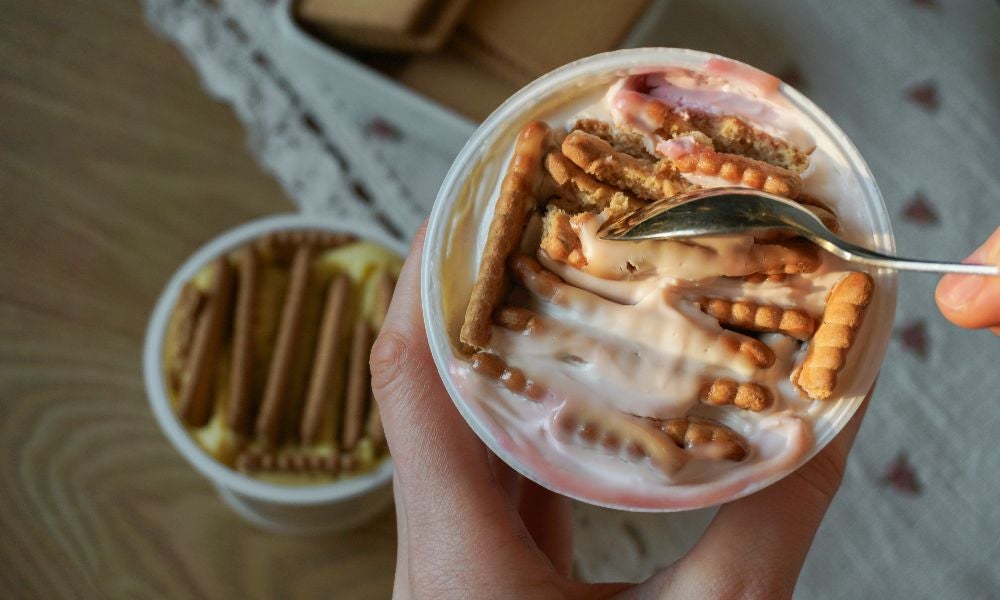
When Greek yoghurt disappeared from the shelves at Woolworths, Coles and Aldi earlier this year, the culprit was not a supply chain failure. It was a viral TikTok recipe that required ingredients such as Biscoff biscuits and Greek yoghurt. The so-called “Japanese cheesecake” trend, colliding with an existing ‘protein-maxxing’ movement, saw shoppers descend on supermarkets’ dairy aisles in search of Greek yoghurt.
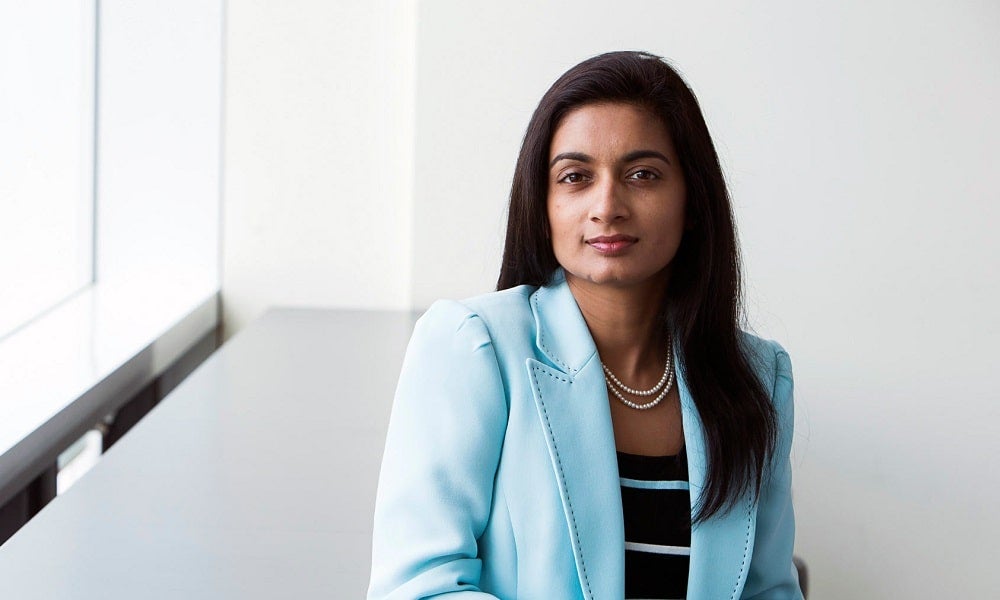
According to UNSW Business School consumer psychologist Professor Nitika Garg, empty shelves were only the most visible symptom of a far deeper problem: the emotional levers that drove consumers toward social media food trends, often without a clear understanding of whether those trends were good for them.
When aspiration, novelty, and FOMO drive the shopping trolley
Prof. Garg, whose research examines how emotions shape consumer decision-making, identified three distinct forces at work in viral food trends: aspiration, novelty, and fear of missing out (FOMO).
Social media influencers have come to drive consumer behaviour in a way that traditional advertising never quite achieved. Unlike conventional celebrities, they blend the aspirational with the accessible, creating a sense of proximity that eliminates the scepticism a consumer might otherwise bring to a product endorsement.
“The social influencer, when they do something like that, it makes people want to try them as well,” said Prof. Garg. “There is an aspirational image to these cues and these trends at times, which people pick up on. Sometimes there’s novelty going on as well. People like trying new things, and if it is a celebrity or an influencer that speaks to them, who they obviously are following for a reason, then it’s something that they want to do.”
The fear of missing out operates as the negative counterpart to aspiration. “If you’re following this person, you probably are influenced by them to a certain extent. You relate to them at a certain level, or you aspire to their image, and when you think others are doing it as well, you don’t want to miss out on it. There are multiple emotional drivers, positive and negative, of these behaviours.”
The expertise gap: why consumers often trust the wrong sources
The Greek yoghurt shortage was, as Prof. Garg acknowledged, relatively innocuous. The concern is what happens when the same emotional mechanics are applied to trends with more serious health consequences: extreme exercise regimes, dubious supplements, or homespun remedies, promoted without any scientific basis.
At the centre of this problem sits a cognitive reality: most consumers do not have the time, tools, or motivation to verify what they see online. They encounter content from people who appear credible and are carried along by the emotional momentum of a trend, and act. The verification step never happens.
Subscribe to BusinessThink for the latest research, analysis and insights from UNSW Business School
Prof. Garg was direct on this point. “People don’t always do the research. They get caught up with thinking ‘okay, maybe it needs cream cheese, but if you’re making it with Greek yoghurt, it must be healthy.’ But most consumers do not stop to research what they’ve seen on social media, or to verify whether it's really healthy. The problem is when people blindly rely on this information from non-experts. These influencers are not experts, even if they come across as them, and they don’t do their own independent verification.”
The power of the testimonial format compounded the problem. Testimonials work precisely because they come from someone who appears to be just like the consumer. “The reason testimonials are trustworthy is that it’s somebody like you,” Prof. Garg noted. “You’re almost thinking, I could be this person. This is why social media influencers are so powerful, because they are a mix of the common person and the aspirational.”
Where responsibility sits: brands, platforms, and regulators
For companies, the calculus is somewhat clearer. When a brand formally engages an influencer, corporate liability produces more careful campaign management. Prof. Garg drew a distinction between the curated brand partnerships and the spontaneous viral trends, which follow no script and belong to no one.
“If it’s a firm, it might not be 100% rooted in science, but at least they wouldn’t do something overtly harmful, because they are worried about the liability side of things. So it’s a bit more vetted, and there’s more due diligence done in that process.”
The harder question concerns individual influencers, and it is one that regulatory frameworks have struggled to address. Disclosure requirements for paid endorsements vary across jurisdictions, but enforcement remains uneven, and organic viral content falls outside any formal accountability structure.
Prof. Garg described the ethical responsibility question as the million-dollar one. “The ethics or the regulations which can encourage ethical behaviour, always lag behind the actual trends or these initiatives or strategies. The reason being that there are so many such things happening, especially in the digital marketing and social media marketing domain, that it is hard for regulators to always keep up.”
The accountability gap widens further when individual creators, rather than brands, are involved. “The platforms need to monitor more and hold more responsibility. Imagine doing that for individuals. That’s even harder, because individuals have less culpability. They can say, we are not trying to sell anything. I made a post. Did I ask you to go ahead and do something or buy something? The answer is no.”
Generative AI and the next wave of food influence
The regulatory lag Prof. Garg described is not new. What is new is the speed at which the gap is widening. Generative AI is already producing video content of a quality indistinguishable from professional production, and platforms have demonstrated limited capacity to police it.
Prof. Garg pointed to the emergence of highly realistic AI-generated videos featuring likenesses of well-known figures without their consent, noting that even when affected parties take legal action and seek redress, the technology continues to outpace institutional responses.
Looking three years ahead, she sees the trajectory as uncertain. “I think it could go both ways. The potential for harm is obviously there, and we see it with AI and even more attractive imagery in reels. We already see the negative impact of social media on mental health. Obviously, physical health can also suffer if you pick up on the wrong trend.”
There is, however, a counterforce. “What can also happen, which I hope might happen, is that if there are issues where people have had a negative outcome, then maybe that gets talked about as well, and gets picked up on, because on social media, the good thing is that it does propagate information very quickly, the real information and the bad, the fake information. So if there are negative incidents where consumer harm has occurred and that gets talked about, maybe we get more attention from the regulators.”
What food manufacturers, retailers and policymakers need to act on
The structural problem, as Prof. Garg framed it, is that the cognitive burden of navigating social media content has been placed almost entirely on the individual consumer.
The ask is unreasonable: verify sources, assess scientific credibility, and distinguish expert from non-expert opinion, all in the seconds between seeing a reel and deciding whether to act on it. As Prof. Garg put it, that burden fell on people who had neither the resources, nor the training or motivation to carry it.
“It’s hard to ask or expect a single consumer to take on this cognitive load. Because you’re told, verify the source, do this, do that. But imagine the average consumer. They don’t have the time, the cognitive ability, or the motivation to do all this. So the system is sort of stacked against them.”
Learn more: How evidence-based marketing can change public health and nutrition for good
When a viral trend strips a product category from supermarket shelves in a matter of weeks, the lesson for food manufacturers, retailers, and policymakers is not simply that social media holds power over consumer behaviour. It is also that frameworks built for a slower information environment (production capacity, supply chains, regulatory oversight) are now operating in one where demand can be created and amplified faster than those systems can respond.
Prof. Garg held little expectation of a proactive solution. “We will not get a solution proactively. If we can get a solution post these issues arising, that will be good as well at this point.” In all likelihood, it would take a high-profile incident of consumer harm before platforms and regulators move in any coordinated way. Until then, she said it is likely that the emotional drivers of aspiration, novelty, and fear of missing out will continue to drive food shopping trends that are not always the healthiest choices for consumers who are avid social media followers.